Digital marketing refers to the use of digital channels, platforms, and technologies to promote products, services, or brands to target audiences. Unlike traditional marketing—which relies on print media, billboards, radio, and TV—digital marketing utilizes the internet, mobile devices, social media, search engines, and various online tools to reach customers more effectively and efficiently. Over the past decade, it has become an essential part of business strategy because modern consumers spend a significant amount of time online.
At its core, digital marketing aims to connect businesses with potential customers in the right place and at the right time. This is achieved through a range of strategies, each serving a different purpose. One of the most common components is Search Engine Optimization (SEO), which focuses on improving a website’s visibility on search engines such as Google. By optimizing content and structure, businesses can appear higher in search results, increasing organic traffic.
Another key component is content marketing, which involves creating valuable, relevant, and consistent content to attract and engage a target audience. This may include blog posts, videos, infographics, podcasts, and e-books. When done correctly, content marketing builds trust, strengthens brand identity, and ultimately drives customer action.
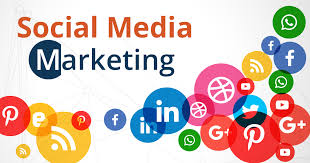
Social media marketing is also a critical part of digital marketing. Platforms such as Facebook, Instagram, X (Twitter), LinkedIn, and TikTok allow brands to interact directly with customers, run targeted ads, and analyze audience behavior. These platforms offer powerful tools for building communities, sharing promotions, and generating brand awareness.
Email marketing remains one of the most effective digital marketing methods. By sending personalized messages, newsletters, product updates, and promotional offers, businesses can nurture customer relationships and encourage conversions. Automation tools make it easier to deliver timely and relevant messages based on user behavior.
Pay-per-click (PPC) advertising is another widely used strategy. It involves placing paid ads on platforms like Google Ads or social media. Advertisers only pay when users click on the ad, making it a cost-effective way to drive traffic quickly. PPC allows precise targeting based on demographics, interests, and search intent.
Digital marketing also includes affiliate marketing, where businesses collaborate with individuals or other companies to promote their products in exchange for a commission. Similarly, influencer marketing leverages the reach and credibility of influencers to promote products to their followers.
One of the biggest advantages of digital marketing is its measurability. Unlike traditional marketing, digital channels provide detailed analytics that show how users interact with content, where traffic comes from, what campaigns perform best, and what needs improvement. This data-driven approach allows businesses to optimize their strategies continuously.
In short, digital marketing is a dynamic, measurable, and cost-effective way for businesses to reach and engage customers in a digital-first world. It combines creativity, technology, and analytics to build meaningful connections and drive business growth.